
Most Reliable Silverado Engine: Choose by Risk and Use
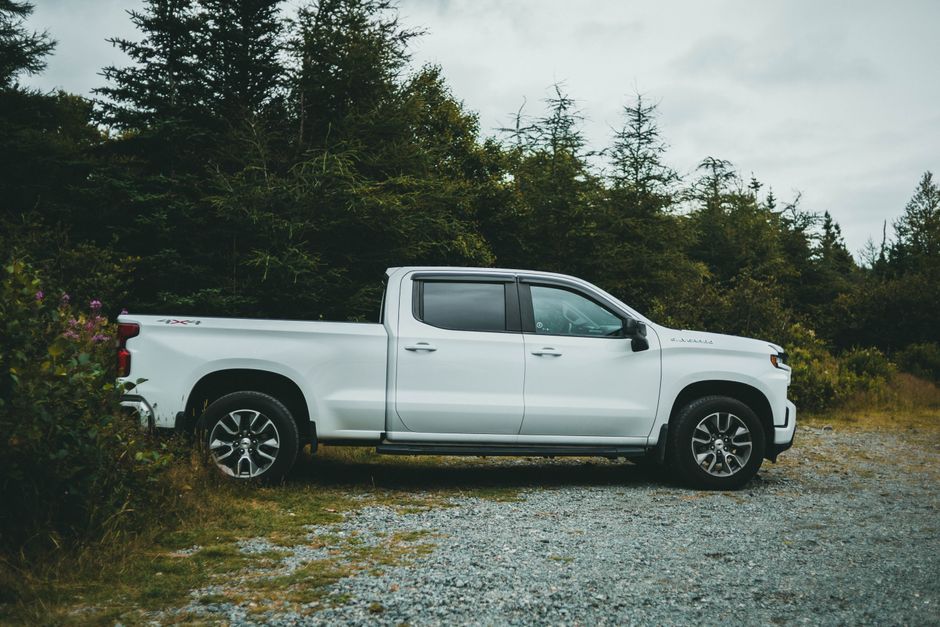
For shoppers comparing recent Silverado 1500s, the 5.3L V8 is the more defensible default when dependability is the priority: the supplied evidence documents lifter issues on certain 5.3L and 6.2L engines, while a major 2021–2024 6.2L recall adds a specific bearing-failure risk. That is not proof the 5.3L is failure-free; check the exact truck’s records, VIN recalls, and engine symptoms before buying.
Which Chevy Silverado engine is the most reliable?
For a recent Silverado 1500 buyer focused on minimizing documented risk, the 5.3L is the cautious starting point, but the available sources cannot prove it is the most reliable engine across all model years. GM’s PIP5776H service bulletin identifies collapsed or separated lifters in certain 2019–2021 Silverado 1500s with either the 5.3L L84 or 6.2L L87. The 6.2L also has a distinct, serious bearing concern in certain trucks addressed by recall 25V-274.
The recall evidence deserves careful reading. In its report, NHTSA says recall 25V-274 applies to 107,244 certain 2021–2024 Silverado 1500s with the 6.2L L87, built from March 1, 2021, through May 31, 2024. GM attributed possible damage to supplier sediment and crankshaft dimensions or surface finish outside specification. GM reported 28,102 U.S. complaints or incidents potentially related to L87 crankshaft, connecting-rod, or bearing failure, including 14,332 allegations of lost propulsion. Those are reports, not a failure rate.
NHTSA’s separate preliminary evaluation summary records 1,157 reports of L87 bearing failure, with 173 outside the recall’s scope. The evaluation also identifies 2019–2024 Silverado 1500s among affected vehicle lines. Reports outside a recall boundary are a reason to check a specific truck closely, not proof that every vehicle in those years is defective. The NHTSA recall report describes a dealer inspection and, when needed, engine repair or replacement; vehicles that pass receive higher-viscosity oil, a new fill cap and filter, and a manual insert.
There is no population-level comparison in these sources that establishes a failure rate for the 5.3L versus every other Silverado engine. Make the decision by generation, recall status, repair documentation, and your use—not by displacement alone.
Is the Chevy 5.3 or 6.2 more reliable?
The 5.3L is the lower-risk choice based on the supplied recent-model evidence, while the 6.2L offers greater available towing capacity and carries an additional documented recall concern for certain L87 trucks. Both engine families appear in GM’s lifter bulletin for specified 2019–2021 trucks, so choosing the 5.3L does not erase the need to inspect.
The practical tradeoff is capability versus exposure. Chevrolet’s 2024 trailering chart lists maximum ratings up to 11,300 pounds for applicable 5.3L configurations and up to 13,200 pounds for applicable 6.2L configurations. The exact rating depends on cab, bed, drivetrain, and configuration. If your trailer requires the 6.2L’s higher available rating, verify the exact truck’s rating and recall repair status rather than assuming every 6.2L can tow the maximum.
Fuel cost is not as simple as “larger engine means lower mileage.” FuelEconomy.gov lists both a 2024 4WD 5.3L with a 10-speed automatic and a listed 4WD 6.2L configuration at 17 mpg combined. The 5.3L listing specifies regular gasoline; the 6.2L specifies premium. These EPA figures help compare fuel type and rated use, not reliability, and other configurations have different ratings.
| Option | Who it suits | Published fuel or towing detail | Key limitation |
|---|---|---|---|
| 5.3L V8 | Shoppers seeking a cautious recent-model choice or a listed configuration suited to lower towing needs | 2024 4WD listing: 17 mpg combined on regular; maximum trailering up to 11,300 pounds in applicable configurations | GM bulletin covers lifter problems on certain 2019–2021 L84 trucks; exact tow rating varies |
| 6.2L L87 V8 | Shoppers whose exact configuration needs its higher available tow rating | 2024 listed 4WD configuration: 17 mpg combined on premium; maximum trailering up to 13,200 pounds in applicable configurations | Recall 25V-274 applies to certain 2021–2024 trucks; verify the VIN and remedy |
| 5.7L | Shoppers comparing an older engine option | not published | not published in the supplied sources |
What year 5.3 should I stay away from?
The supplied evidence does not justify naming one 5.3L model year that every shopper should avoid. It does identify a specific issue window: GM bulletin PIP5776H addresses misfires associated with collapsed or separated lifters on 2019–2021 Silverado 1500s equipped with the 5.3L L84 or 6.2L L87.
GM says a truck may show diagnostic trouble codes P0300–P0308 and a bent pushrod in connection with a collapsed lifter. For certain vehicles in the bulletin’s September 1, 2020–March 31, 2021 breakpoint window, the prescribed repair varies by mileage: lifters and guides on both banks below 16,000 miles, and on the affected bank above 16,000 miles. That repair guidance is specific to the bulletin’s conditions; it is not evidence that every truck in the date range failed.
For a used truck, replace a blanket “avoid this year” rule with a records check. Ask for invoices showing diagnosis and repair, scan for current misfire codes, and request a cold start so you can listen for unusual engine noise. If the seller cannot document a claimed repair, budget and decide based on verified inspection findings rather than reassurance.
Is a 5.3 or 5.7 engine better?
The supplied research does not provide a direct reliability comparison between the 5.3L and 5.7L, so it cannot support a factual claim that one is better overall. The documented 5.3L evidence applies to the L84 generation and specified 2019–2021 trucks; it does not establish how a 5.7L compares in failure rates, maintenance cost, fuel use, or longevity.
Keep the comparison tied to the actual truck. Confirm the engine identification, model year, maintenance history, and any engine work. For a 5.3L truck in the bulletin’s coverage, ask specifically about lifter diagnosis and repairs. For a 5.7L, these supplied sources offer no comparable evidence, so use vehicle-specific records and an independent inspection rather than carrying a conclusion from a different engine family.
If shopping for a heavy-duty Silverado rather than a 1500, engine choice sits alongside different model-year risks; see Most Reliable Silverado 2500 Years: Best Picks and Risks. The same buying discipline applies: match the exact truck to the job and verify its history.
Used-truck inspection checklist
- Check the VIN. Use the NHTSA recall lookup to find unrepaired recalls. A result showing no unrepaired recalls will not show recalls already completed, and newly announced recalls may not yet have every VIN listed.
- Get records. Request maintenance invoices, diagnostic reports, and documentation for lifter, bearing, or engine repairs. Match any claimed recall remedy to paperwork or dealer confirmation.
- Start it cold. Listen for unusual noise before the engine warms. Treat noise as a prompt for diagnosis, not a stand-alone verdict.
- Scan for codes. Check for P0300–P0308 and ask a technician to investigate any misfire or bent-pushrod evidence against GM’s bulletin.
- Confirm configuration. Match the cab, bed, drivetrain, and engine to Chevrolet’s trailering chart if towing matters. A maximum engine rating is not the rating for every truck.
Use a direct seller question: “Can you show me the VIN recall status and the invoices for any engine or misfire repairs?” Then verify what the records say. That one step reduces guesswork before the purchase.
Frequently Asked Questions
Do 5.3 and 6.2 Silverado engines have the same lifter problems?
GM bulletin PIP5776H covers misfires associated with collapsed or separated lifters on certain 2019–2021 Silverado 1500s equipped with either the 5.3L L84 or 6.2L L87. That documents a shared type of issue in the bulletin’s specified vehicles, not identical failure rates across all years or engines.
Does disabling AFM or DFM prevent Silverado lifter failure?
The supplied sources do not establish that an AFM or DFM disabler prevents lifter failure. An electronic disabler is not a hardware repair, and the GM bulletin describes lifter failures without endorsing a disabler as prevention. Treat the device as no guarantee and inspect service history and symptoms.
How can I check whether a used Silverado engine has a history of problems?
Run the VIN through NHTSA’s recall lookup and ask for maintenance, diagnostic, and engine-repair records. On inspection, listen for cold-start noise and scan for misfire codes such as P0300–P0308; GM’s bulletin associates those codes and a bent pushrod with collapsed-lifter diagnosis in certain trucks. A clean recall lookup does not show recalls already repaired.
Are newer Silverado 6.2 engines affected by recalls or engine failures?
Recall 25V-274 covers certain 2021–2024 Silverado 1500s with the 6.2L L87, and NHTSA’s evaluation also received reports outside that recall’s scope. The recall lookup can show whether a specific VIN has an unrepaired recall, but recently announced recalls may not yet have every VIN identified. Check the VIN again and confirm remedy status with a dealer.
Sources
- National Highway Traffic Safety Administration — GM Recall 25V-274 Part 573 Report
- National Highway Traffic Safety Administration — Preliminary Evaluation EA25007
- General Motors service bulletin PIP5776H, filed with NHTSA
- National Highway Traffic Safety Administration — Vehicle Recall Lookup
- U.S. Department of Energy and U.S. Environmental Protection Agency — FuelEconomy.gov
- Chevrolet — 2024 Silverado 1500 Trailering Chart
Keep reading
Most Reliable Silverado 2500 Years: Best Picks and Risks
The most reliable Silverado 2500 years depend on engine and service history; compare LBZ Duramax candidates, known diesel risks, and each truck’s condition.

Should I Buy a Used Honda CR-V With Fuel Dilution or A/C Risks?
Inspect a used Honda CR-V for fuel-in-oil signs, software-update records, A/C shaft-seal leaks, and VIN-specific recalls before purchase.

Ex-Fleet Cars: A Bargain With Proof or a Risk Without It
How to verify an ex-fleet car's service history, title, mileage, damage risk, warranty, and repair needs before buying.

Used BMW X5: Buy the Service History, Not the Bargain
A practical used BMW X5 guide for repair budgets, specialist inspections, recalls, CPO coverage, and model-year trade-offs.